.png)
Across boardrooms and news feeds, “AI disruption” is a recurrent headline. From tech-sector restructurings to debates about automation replacing routine office tasks, many workers are asking: what happens to jobs — especially in Singapore? The answer is not limited to only two possible answers. While AI reshapes many white-collar roles and humanoid robots threaten blue-collar work—retail, F&B, hospitality, warehousing & logistics, and healthcare, we acknowledge that roles are evolving; in others, they are more resilient than many expect.
AI headlines show layoffs in tech and corporate roles, including in Singapore. But many cuts reflect reorganisation and cost-cutting, not pure automation — and some firms lost critical skills after layoffs. Singapore’s service-based economy, dense population, and focus on workforce adaptability mean roles needing empathy, complex judgment, or routine frontline work remain in steady or growing demand.
Some people think of rank & file jobs as a "backup plan," but that is not true. These roles keep our country running. From the person who prepares your meal to the driver who delivers your parcels, these workers are the heart of the economy.
AI is changing the employment landscape. Different roles face different risks. Many blue-collar positions are resilient because of the following trends:
That said, complacency is risky. Automation will continue to alter how work is done. Workers and employers who treat upskilling as optional may find themselves disadvantaged. The safer path is proactive: blend human strengths with digital tools to make roles more productive, safer, and more rewarding.
AI and automation are not purely destructive forces; they can augment productivity and safety across blue-collar sectors. Examples include predictive maintenance in logistics, automated inventory management in retail, kitchen equipment that standardises repetitive tasks, and digital scheduling for healthcare shift management. These tools can reduce laborious work, lower error rates, and free workers for higher-value tasks—if implemented thoughtfully.
But there are risks. Poorly managed automation can displace workers, and companies that over-rely on short-term cost savings may lose institutional skills. For blue-collar workers, the key is not whether AI exists, but whether employers and policymakers pair technology with retraining and sensible workforce planning.
For jobseekers in Singapore, the present moment calls for practical upskilling and readiness to adapt. Upskilling is not just about moving into tech roles; it includes acquiring digital literacy relevant to your sector (e.g., inventory systems, point-of-sale tools, basic data handling), certifications for safety and specialised equipment, language skills for customer-facing roles, and people-management skills for supervisory positions.
Upskilling also improves mobility. Many technical and interpersonal competencies transfer across sectors—customer service, inventory control, supervisory capability, and digital tool use are valuable in multiple roles. Employers increasingly prize workers who can blend hands-on capabilities with digital know-how.
The blue-collar job market in Singapore is evolving, not collapsing. AI and automation reshape tasks and create both challenges and opportunities. Blue-collar roles remain essential to the economy and often require the human skills that technology cannot easily replicate. For jobseekers, the best response is practical: upskill strategically, embrace tools that augment your work, and choose employers who invest in people. In doing so, you protect your employability and help ensure that Singapore’s workforce remains adaptable and resilient in a changing world.

Discover why internships matter for students and fresh graduates. Learn how internships build experience, boost employability, and kickstart your career with FastJobs.
Read more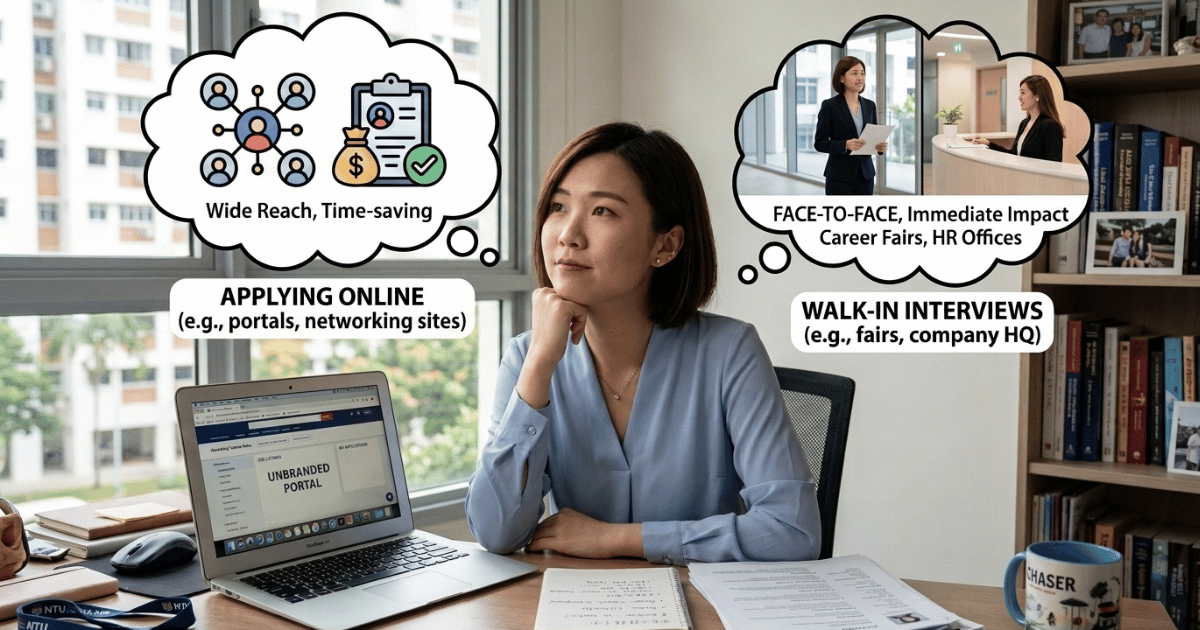
Should you apply online or attend walk-in interviews? Compare both job search methods and discover the best way to find jobs in Singapore with FastJobs.
Read more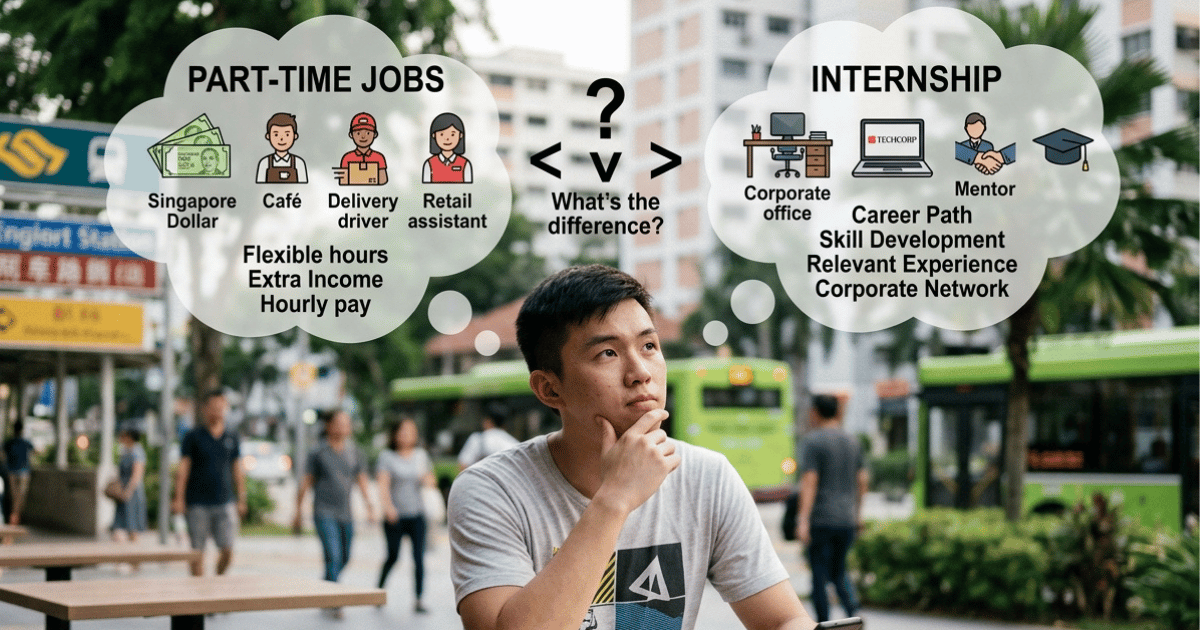
Not sure whether to choose an internship or a part-time job? Compare the benefits of each and discover which option best suits your career goals as a student or fresh graduate.
Read more